Home Insulation Costs UK 2026: Full Price Guide & Calculator
Every type of insulation cost in the UK — by house type, region, and era — plus what can go wrong, which grants pay for it, and an interactive estimator.
The Short Answer
A typical 3-bed semi needs £2,000–£4,000 of insulation work (loft + cavity wall + draught proofing). That saves £450–£800/year on heating bills, paying for itself in 3–5 years. If you qualify for ECO4 or the Warm Homes: Local Grant, the cost could be zero. Start with loft insulation — it's the fastest payback of any home improvement in the UK.
Home Insulation Costs UK 2026: The Full Breakdown
Heating accounts for roughly 60% of the average UK energy bill. A poorly insulated home leaks that heat through the roof, walls, floors, and gaps around windows and doors — and you pay for every watt of it. Insulation is the single highest-return investment most homeowners can make, often beating solar panels, heat pumps, and even ISAs for raw return on investment.
This guide covers every major insulation type, what it actually costs in 2026 (including regional differences), what can go wrong, and which government schemes will pay for it.
Insulation Costs by Type
Typical installed cost for a 3-bed semi-detached house in 2026
Best value measure
3–5 year payback
Costs vary by region — London/SE is typically 20–25% higher. Grant funding can reduce most measures to zero.
Estimate Your Insulation Cost
Select your home type, age, and region for a personalised insulation cost estimate.
Total cost (all measures)
£2,100 – £4,400
Annual saving
£530 – £930
Grant-eligible
2 measures
Often fully funded via ECO4 or GBIS successor
Often fully funded via ECO4 or GBIS successor
Not applicable to your home
Costs adjusted for regional labour rates. Savings based on Energy Saving Trust data at current Ofgem price cap rates. Get 3 quotes for accurate pricing specific to your property.
Cavity Wall Insulation: £700–£3,500
What It Costs
Cavity wall insulation costs £700–£3,500 depending on property size and region. For a mid-terrace that's £700–£1,500, a semi-detached £1,000–£2,200, and a detached house £1,500–£3,500. In London and the South East, add 20–25% to these figures.
Installation takes a single day. A contractor drills small holes (typically 22mm) in a pattern across the external brickwork, injects insulation material under pressure, and fills and matches the holes. Most homeowners can't tell the work has been done afterwards.
Materials Used
| Material | Cost | Notes |
|---|---|---|
| Mineral wool (glass/rock) | Cheapest | Most common. Moisture-resistant, doesn't settle. Our recommendation for most homes. |
| EPS beads (polystyrene) | Mid-range | Blown in with bonding agent. Good if cavity has obstructions. Slightly better thermal performance. |
| Polyurethane foam | Most expensive | Best thermal performance per mm. Can cause issues if ever needs removing — we'd generally avoid it. |
Annual Savings
The Energy Saving Trust estimates cavity wall insulation saves £230–£505 per year depending on house size and fuel type. Payback: 2–5 years. That's one of the best financial returns in home improvement — better than most savings accounts.
Is It Right for Your Home?
Cavity walls exist in most UK homes built between the 1920s and mid-1990s. If yours was built after ~1995, it almost certainly has insulation already (check your EPC). If it was built before the 1920s, you have solid walls — skip to the solid wall section below.
Not sure? Look at the brickwork. If the bricks are all laid lengthways in a uniform pattern, you have a cavity wall. If you see a mix of headers (short ends) and stretchers (long sides), it's a solid wall.
When to Avoid It
Cavity wall insulation is not suitable if:
- Your walls face heavy, wind-driven rain — exposed west-facing walls in coastal areas are particularly risky. The insulation can act as a bridge for moisture.
- The cavity is under 50mm — not enough space to fill properly.
- There's existing damp — adding insulation to a damp wall makes it worse, not better. Fix the damp first.
- Previous injection has failed — removal costs £1,500–£4,000 and is messy. If a previous install has caused problems, get a specialist survey before trying again.
A proper pre-installation survey (which any reputable installer will do free of charge) should catch all of these. If an installer wants to skip the survey, find a different installer.
Grants
Cavity wall insulation is one of the most commonly grant-funded measures. ECO4, the Warm Homes: Local Grant (England), Home Energy Scotland, and the Nest scheme (Wales) can all cover the full cost for eligible households. See our full cavity wall insulation guide for detailed eligibility.
Loft Insulation: £300–£1,200
What It Costs
If you're willing to do it yourself, mineral wool rolls cost £150–£400 in materials for a typical semi. Professional installation runs £400–£1,200 depending on loft size and access.
Building regulations require a minimum of 270mm. Many older UK homes have 100mm or less — meaning there's significant room for improvement even if your loft was insulated decades ago. Topping up from 100mm to 270mm costs about half as much as insulating from scratch, because you're adding a thinner layer on top.
DIY or Professional?
Loft insulation is one of the few measures that's genuinely DIY-friendly. For a standard loft with boarded access:
- Materials: 6–8 rolls of 200mm mineral wool (to lay between joists) + 6–8 rolls of 100mm (to lay across joists). ~£200–£350 from B&Q or Wickes.
- Time: 4–6 hours for two people in a semi-detached loft
- What you need: Dust mask (FFP2 minimum — mineral wool fibres are nasty), gloves, kneeling board, Stanley knife, torch. Don't stand between joists or you'll go through the ceiling.
- Common mistakes: Squashing insulation (reduces effectiveness), blocking eaves ventilation (causes condensation), burying electrical cables (fire risk — move them on top of the insulation)
If your loft is hard to access, has a flat roof, or you want to maintain a boarded storage area, get a professional. Our full loft insulation guide has a step-by-step DIY walkthrough.
Annual Savings
A well-insulated loft saves £195–£395 per year. DIY payback can be under 18 months — the fastest return of any insulation measure. Professional installation pays back in 2–4 years. There's genuinely nothing else in home improvement that matches this.
Grants
Loft insulation is widely covered by ECO4 and the Warm Homes: Local Grant. If you qualify, don't bother doing it yourself — let them pay for it and do it properly.
Solid Wall Insulation: £4,000–£25,000
This is the big one, and the reason many pre-1920s homeowners hesitate. Solid wall insulation is expensive and disruptive — but for a draughty Victorian or Edwardian home, it makes the single biggest difference to comfort and bills.
Internal Wall Insulation: £4,000–£16,000
Insulated plasterboard is fixed to the interior face of external walls. Cost depends on how many walls, how many rooms, and how much remedial work is needed (moving radiators, extending window sills, refitting sockets and switches).
Pros: Cheaper than external. Can be done room by room over time. No planning permission needed. No scaffolding.
Cons: You lose 50–100mm of room depth on each wall. Skirting boards, coving, and sometimes flooring need refitting. It's disruptive — each room is effectively a small renovation project. There's a risk of interstitial condensation if not installed with a proper vapour barrier, which can cause hidden damp behind the insulation.
External Wall Insulation: £8,000–£25,000
Insulation boards are fixed to the outside of the building and then rendered or clad. This is the more effective option — it wraps the house in a thermal blanket and eliminates cold bridges — but it's also the most expensive.
Pros: No loss of internal space. Better thermal performance. Eliminates cold bridges. Can completely transform the appearance of a tired-looking property. No disruption inside.
Cons: Requires scaffolding (4–6 weeks typically). Planning permission needed in conservation areas or for listed buildings. Can't easily be done on terraced houses if neighbours don't agree. Changes the external appearance — some people love it, others think it looks like a render job covering up problems.
Annual Savings and Payback
Both methods save roughly £270–£560 per year on a semi. Without grants, payback is 12–30 years for internal and 20–45 years for external. That's a long time.
This is why solid wall insulation almost always needs grant funding to make financial sense. It's a comfort-and-carbon decision more than a pure financial one — unless someone else is paying for it.
When It Makes Sense
- You qualify for ECO4 funding — this is by far the best scenario. Fully funded solid wall insulation is transformative.
- You're already renovating — if you're replastering, re-rendering, or reroofing, the marginal cost of adding insulation is much lower.
- You're planning a heat pump — solid wall insulation can reduce the size (and cost) of heat pump you need by 20–40%. It also means the heat pump runs more efficiently, cutting running costs for decades.
- Comfort matters more than payback — a solid-walled home in winter is genuinely cold, and insulation changes how the house feels. If you can afford it or get partial funding, the quality-of-life improvement is significant.
Annual Savings by Insulation Type
Typical annual heating bill reduction for a 3-bed semi-detached
Based on Energy Saving Trust data at Ofgem Q1 2026 cap rates (electricity 24.5p/kWh, gas 6.76p/kWh). Actual savings depend on home size, heating usage, and tariff.
Floor Insulation: £400–£1,500
What It Costs
Floor insulation applies mainly to ground floors with suspended timber construction — common in pre-1960s UK homes. Cost is £400–£1,500 for a professional installation, depending on access to the underfloor void.
If there's a crawl space underneath, the installer can work from below without disturbing your flooring. If not, floorboards need lifting, which adds cost and disruption. Solid concrete floors can also be insulated, but that involves raising the floor level by 50–100mm — a much bigger job that's usually only done during a full renovation.
Annual Savings
Floor insulation saves £40–£145 per year — less than loft or wall measures, because heat rises and the floor is where you lose least. However, a cold floor is one of the biggest comfort complaints in older homes. If your floors feel cold underfoot even when the heating is on, floor insulation makes a noticeable difference to how the room feels, even if the energy savings are modest.
Material Options
- Mineral wool batts — fitted between joists, held up with netting. Cheapest option.
- Rigid PIR boards (Celotex/Kingspan) — cut to fit between joists. Better thermal performance per mm. Our recommendation where access allows.
- Spray foam — quick to apply from below, but expensive and difficult to remove if problems arise. We'd avoid this for floors.
Draught Proofing: £100–£400
What It Costs
Draught proofing is the cheapest insulation measure: £100–£400 for a professional job, or under £50 DIY. It's also the fastest — a typical house can be draught-proofed in a day.
Where to Focus
- External doors — brush strips, foam seals, and letterbox covers. The front door is usually the worst offender.
- Windows — self-adhesive foam strips around opening sashes. Replace if crumbling.
- Skirting boards — fill gaps between skirting and floor with decorator's caulk. Takes 20 minutes per room.
- Loft hatch — strip of foam around the frame, draught excluder on the opening edge. Stops warm air leaking into the loft.
- Pipework and cables — any hole where a pipe or cable passes through a wall or floor. Fill with expanding foam or sealant.
See our best draught proofing products guide for specific recommendations, including our dedicated door draught excluder guide.
Annual Savings
Draught proofing saves £40–£120 per year. The payback for a professional job is 2–4 years; for DIY, under a year. More importantly, it has an immediate impact on comfort — draughts are one of the top reasons older homes feel cold even when the heating is running.
Important: Don't seal everything. Every home needs ventilation. Never block air bricks, room vents (especially in rooms with gas appliances), or trickle vents in windows. If in doubt, ask an installer — sealing a gas boiler's ventilation is a safety issue, not just a comfort one.
Regional Cost Differences
Every competitor on Google gives you a single UK-wide price range. In reality, what you pay varies significantly by region — mainly due to labour costs.
| Region | Labour Cost vs Average | Cavity Wall (semi) | Loft (professional, semi) |
|---|---|---|---|
| London / South East | +20–25% | £1,250 – £2,750 | £500 – £1,000 |
| South West / East | +10% | £1,100 – £2,400 | £440 – £880 |
| Midlands | Average | £1,000 – £2,200 | £400 – £800 |
| North of England | -10% | £900 – £2,000 | £360 – £720 |
| Scotland | -8% | £920 – £2,025 | £370 – £735 |
| Wales | -10% | £900 – £2,000 | £360 – £720 |
Material costs are broadly the same everywhere — it's labour that drives the regional difference. Our cost estimator above adjusts automatically based on your region.
What Can Go Wrong
Nobody else talks about this, but you should know before spending money:
Cavity Wall: Damp and Extraction Problems
Badly installed cavity wall insulation can cause damp — usually when the cavity is filled in a property that's exposed to driving rain (common on west-facing walls in Wales, Cornwall, and western Scotland). The insulation bridges the gap that was designed to keep water out. Signs of problems: damp patches appearing inside within 1–2 years of installation.
If this happens, the insulation needs extracting. Cost: £1,500–£4,000 depending on property size. It's covered by the CIGA 25-year guarantee if the original installer was registered, so keep your paperwork.
Internal Wall Insulation: Condensation Risk
If internal wall insulation isn't installed with a continuous vapour barrier, warm moist air from the room can reach the cold wall behind the insulation and condense there. You won't see it — it's hidden behind the plasterboard. Over years, this causes mould and rot in the wall structure.
The fix is simple: insist on a properly installed vapour control layer, and ensure the installer understands interstitial condensation. This isn't a reason to avoid internal insulation — it's a reason to use a qualified installer who knows what they're doing.
Loft Insulation: Condensation in Cold Lofts
When you insulate the loft floor, the loft space above gets colder (that's the point — you're keeping heat downstairs). A colder loft can mean more condensation on the underside of the roof. This is manageable if the loft has adequate ventilation — tile vents, soffit vents, or ridge vents. Problems occur when loft insulation is installed without checking ventilation first.
If your loft feels damp or you see black mould on the felt, get the ventilation sorted before adding more insulation.
Spray Foam: The One We'd Avoid
Spray foam insulation is heavily marketed online, but we'd recommend caution. It's difficult to remove, can mask structural problems in roofs, and many mortgage lenders won't accept properties with spray foam on the roof timbers. Several major lenders now flag it during surveys. If you ever want to sell, spray foam can complicate or delay the sale. Mineral wool is cheaper, proven, and doesn't cause lending issues.
Insulation Cost With and Without Grants
| Measure (3-bed semi) | Cost Without Grant | Cost With Grant | Annual Saving |
|---|---|---|---|
| Loft insulation (professional) | £400 – £800 | £0 (ECO4/WHLG) | £195 – £320 |
| Cavity wall insulation | £1,000 – £2,200 | £0 (ECO4/WHLG) | £230 – £395 |
| Internal solid wall | £5,500 – £12,000 | £0 (ECO4) | £270 – £435 |
| External solid wall | £10,000 – £18,000 | £0 (ECO4) | £270 – £435 |
| Floor insulation | £550 – £1,100 | £550 – £1,100 (no standalone grant) | £55 – £115 |
| Draught proofing | £150 – £300 | £150 – £300 (no standalone grant) | £50 – £100 |
If you qualify for ECO4 or the Warm Homes: Local Grant, the big-ticket items (loft, cavity wall, solid wall) can be fully funded. That changes the entire calculation — free insulation with immediate savings is a no-brainer.
Which Insulation Should You Do First?
The right order depends on your house. Here's what we'd recommend:
If You Have a 1920s–1990s Home (Cavity Walls)
This covers the majority of UK housing stock. Your priority order:
- Loft insulation — check what you have. If it's under 270mm, top it up. If you're doing it yourself, it's a weekend job. If you qualify for a grant, let them do it.
- Cavity wall insulation — if not already done, this is essential. A 2–5 year payback makes it the best investment after loft insulation. Check your EPC — if it says "cavity wall: unfilled", you need this.
- Draught proofing — cheap, fast, and the comfort impact is immediate. Do this alongside the bigger measures, not instead of them.
- Floor insulation — if you have a suspended timber ground floor (common pre-1960s) and cold or draughty floors. Lower priority if your floors are concrete.
If You Have a Pre-1920s Home (Solid Walls)
Victorian and Edwardian homes are the hardest and most expensive to insulate, but they also have the most to gain:
- Loft insulation — same as above. Always start here.
- Draught proofing — older homes are typically draughtier than any other era. Original sash windows, gaps in floorboards, unused fireplaces — there's a lot to seal up.
- Solid wall insulation — only if you can access ECO4 funding, you're already doing major renovation work, or you're planning a heat pump and need to reduce heat loss first. Without funding, the payback is simply too long for most people.
- Floor insulation — original suspended timber floors in pre-1920s homes are often draughty. Insulating from below (if you have a crawl space) avoids lifting floorboards.
If You Have a Post-1995 Home
These should already have cavity wall and loft insulation, but it's worth checking. Your focus:
- Check your loft insulation depth — even homes built to 1995–2005 regulations may only have 200mm. Topping up to 270mm is cheap and worthwhile.
- Draught proofing — even newer homes develop gaps over time, especially around doors and windows.
- Consider your windows — if you still have the original double glazing from the mid-1990s, it may be approaching end of life. Modern double or triple glazing is significantly better.
For all house types, don't overlook cheap wins like pipe insulation in your loft and garage (£15–£30 in materials, saves £30–£60/year), and thermal curtains if you have draughty or single-glazed windows.
Free Insulation Grants in 2026
ECO4 (Energy Company Obligation)
The biggest source of free insulation funding in the UK. ECO4 is targeted at lower-income households receiving qualifying benefits (Universal Credit, Pension Credit, Child Tax Credit, and others). It funds the full cost of loft insulation, cavity wall insulation, and solid wall insulation — as well as heat pumps as part of a whole-house retrofit.
ECO4 runs until March 2026. A successor scheme is expected but not yet confirmed. If you qualify now, apply now — waiting risks missing out. Check eligibility via your energy supplier or an approved installer.
Warm Homes: Local Grant (England)
The government's new scheme for 2025/26, replacing elements of previous local authority retrofit programmes. Provides up to £15,000 of funded improvements for households with income below £36,000/year and an EPC of D or below. Insulation, heat pumps, and solar can all be funded. Delivered through local authorities — check your council's website for availability in your area.
Great British Insulation Scheme (GBIS)
GBIS was available to homeowners in council tax bands A–D with an EPC of D or below. The scheme's initial phase ran until March 2026. Check the government website for any extension or successor — if it's still open when you read this, apply immediately.
Home Energy Scotland
Scotland runs its own scheme offering free advice, cashback grants (up to £7,500 for insulation), and interest-free loans up to £15,000 for energy efficiency improvements. Available regardless of benefits — eligibility is broader than ECO4. Apply via Home Energy Scotland.
Nest (Wales)
Nest provides free energy efficiency improvements to eligible Welsh households — including insulation, heating, and advice. Eligibility is based on benefits and/or low income. Apply via the Nest website.
If you're also considering a heat pump, the Boiler Upgrade Scheme provides a separate £7,500 grant on top of any insulation funding. These grants stack — you can get free insulation and a subsidised heat pump.
Insulation and Heat Pumps: Why Order Matters
If you're considering a heat pump in the next few years, insulation should come first. Here's why:
- Smaller heat pump needed — a well-insulated home loses less heat, so you need a smaller (and cheaper) heat pump. This can save £1,000–£3,000 on the heat pump itself.
- Lower running costs — the heat pump has to work less hard, so electricity bills are lower. Potentially £150–£300/year less.
- Better comfort — heat pumps run at lower temperatures than gas boilers. In a poorly insulated home, this means rooms heat up slowly and may not reach target temperature on the coldest days. In a well-insulated home, the lower temperature works perfectly.
- Grants stack — you can get insulation funded through ECO4/WHLG and then claim the separate £7,500 BUS grant for the heat pump.
Read our full guide on insulating before getting a heat pump for the detailed order of operations.
How Long Does Insulation Last?
| Type | Expected Lifespan | Notes |
|---|---|---|
| Mineral wool loft insulation | 40+ years | Effectively permanent if undisturbed. Can compress slightly over decades. |
| Cavity wall (mineral wool/EPS) | 25–40+ years | CIGA guarantee covers 25 years. Shouldn't degrade unless moisture gets in. |
| Solid wall (internal/external) | 30–50+ years | External render may need repainting every 10–15 years. |
| Floor insulation (rigid board) | 30+ years | PIR boards don't degrade. Mineral wool batts may sag over time. |
| Draught proofing strips | 5–10 years | Foam strips degrade with use. Rubber and brush strips last longer. |
For the most part, insulation is a one-off investment. Loft insulation and cavity wall insulation done properly will outlast your mortgage. Draught proofing strips need occasional replacement, but they're cheap.
Summary
For most UK homeowners, the right approach is: loft insulation first (fastest payback, DIY-friendly), then cavity wall (if applicable — check your EPC), then draught proofing (cheapest, biggest comfort impact), then floors. Solid wall insulation only makes financial sense with grant funding or during major renovation.
Before paying out of pocket for anything, check whether you qualify for ECO4, the Warm Homes: Local Grant, Home Energy Scotland, or Nest. Free insulation with immediate savings is the best deal in home energy.
Use our insulation savings calculator to model the costs and savings for your specific home, or try the estimator above to get a quick ballpark based on your house type and region.
Frequently Asked Questions
DIY Draught Proofing to Start With
While wall and loft insulation may need a professional, draught proofing is a quick DIY win that pays for itself within months.
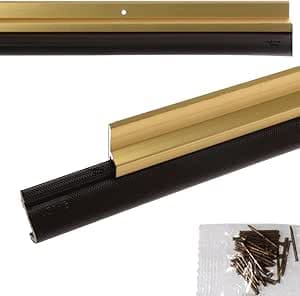
Stormguard Door Draught Seal Kit
£10–£18Draughty doors are one of the cheapest heat losses to fix. This kit seals one door completely.
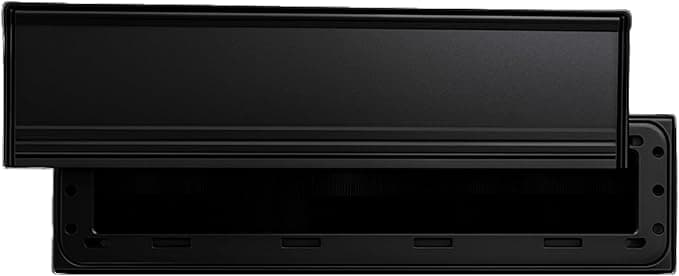
Exitex Letterbox Draught Excluder
£8–£14Letterboxes are a surprisingly large source of draughts — this is a quick, cheap improvement.

Chimney Sheep Chimney Draught Excluder
£20–£35An open chimney loses as much heat as leaving a window open. This is one of the best draught-proofing investments.
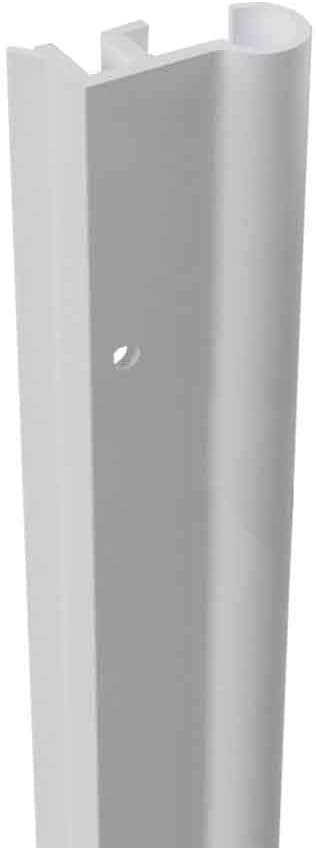
Loft Hatch Insulation Kit
£15–£25An uninsulated loft hatch is a significant heat loss point — this is a 10-minute fix.
As an Amazon Associate we earn from qualifying purchases. Product prices and availability are accurate as of the date of publication and may change.